Getting your child excited about brushing can feel like an uphill battle, but with the right approach, kids oral care in Lagos does not have to be a daily struggle. Whether you live in Lekki, Ajah, or anywhere across Lagos, building a strong oral hygiene routine early sets your child up for a lifetime of healthy smiles. Here are seven proven, dentist-approved tips to make toothbrushing a habit your child will actually enjoy.
Table of Contents
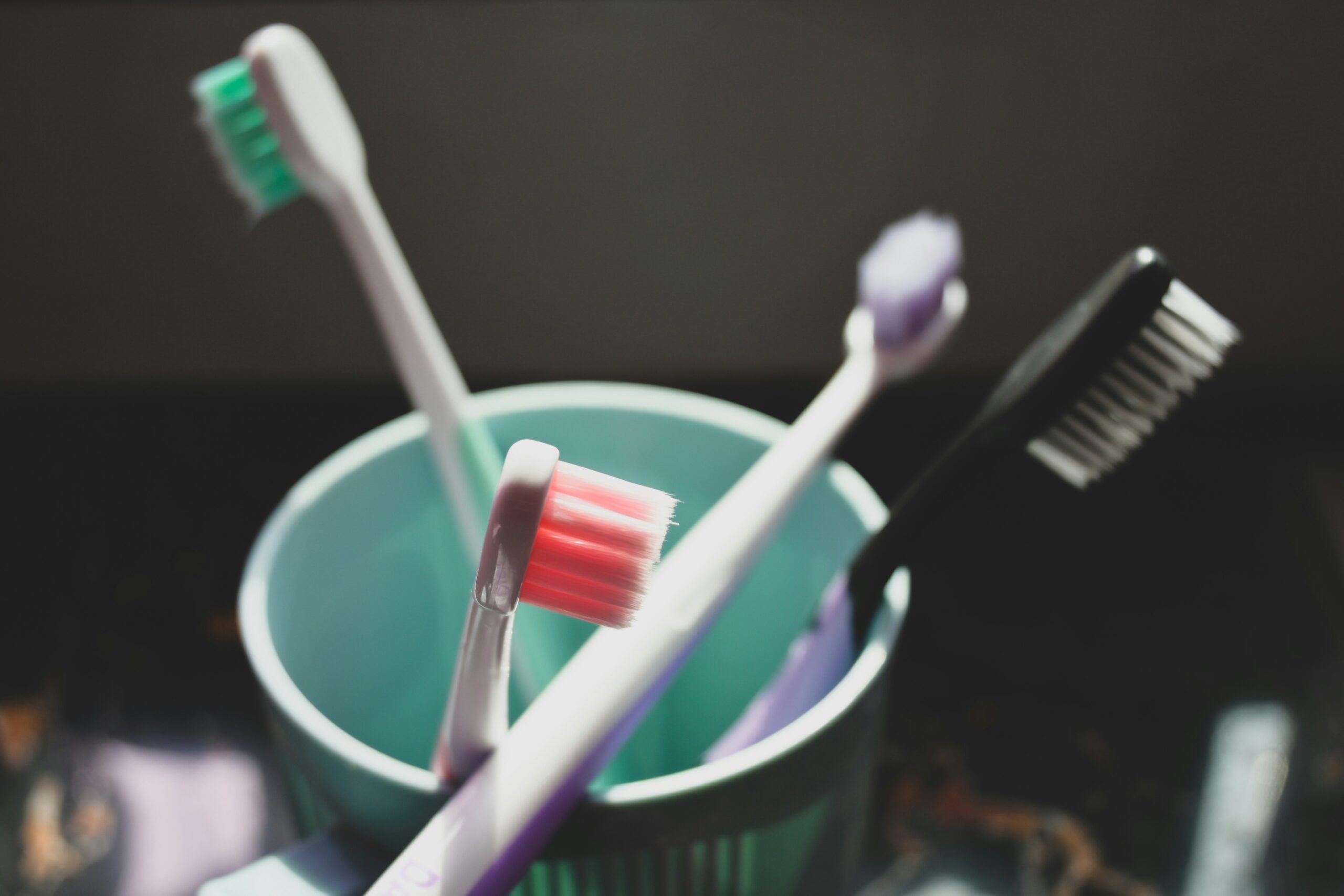
1. Let Your Child Pick Their Own Toothbrush and Toothpaste
Children are far more likely to brush willingly when they feel a sense of ownership over the process. Take your child to the pharmacy and let them choose a toothbrush in their favourite colour or featuring a beloved cartoon character. Similarly, child-friendly toothpaste in fruity flavours (like strawberry or bubblegum) makes the experience much more appealing than a standard minty adult paste.
When shopping, look for toothbrushes with soft bristles and a small head sized for your child’s mouth. For children under three, use only a smear of fluoride toothpaste; for children aged three to six, a pea-sized amount is sufficient. Making your child a stakeholder in their own kids oral care in Lagos toolkit is one of the simplest ways to reduce resistance at brushing time.
2. Turn Brushing Into a Fun Routine With Music or a Timer
Children thrive on predictability and play. A great way to ensure your child brushes for the recommended two minutes is to play a favourite song or use a dedicated brushing timer app. There are several free apps designed specifically for children that display animated characters brushing their teeth alongside a countdown, transforming what feels like a chore into a mini performance.
You can also create a simple reward chart where your child earns a sticker for every successful brushing session. After accumulating a set number of stickers, they receive a small (non-sugar!) reward. Positive reinforcement is one of the most effective tools in building lasting habits, and it makes toothbrushing something to look forward to rather than resist.
3. Brush Together and Lead by Example
Children learn by watching the adults around them. When parents and caregivers brush their own teeth at the same time as their child, it sends a powerful message: this is something everyone does, every day, because it matters. Make it a shared family ritual; morning and night, everyone stands at the bathroom mirror together.
You can take this even further by making it playful. Let your child inspect your teeth when you are done, or pretend that you are both brushing away sugar bugs. For younger children especially, turning brushing into imaginative play dramatically lowers the emotional resistance that often leads to tantrums. This approach to kids oral care in Lagos households has been endorsed by paediatric dentists across the country.
4. Read Books or Watch Videos About Dental Health
Normalising oral care through stories and media goes a long way with young children. There are numerous age-appropriate books and animated videos that explain why brushing matters in ways children understand and enjoy. When a child sees their favourite characters caring for their teeth, they naturally want to do the same.
Ask your child’s dentist for recommendations, or search for paediatric dental health content from reputable sources. Understanding the reason behind brushing, explained in simple and child-friendly terms, makes your child more motivated to participate. You may be surprised at how quickly a previously reluctant child becomes enthusiastic after watching a fun, relatable video about keeping their smile healthy.
5. Use the Right Technique and Make It Interactive
Many parents focus on getting their child to brush at all, without realising that technique matters enormously. Brushing should cover all surfaces of the teeth: the front, back, and chewing surfaces, using small, gentle circular motions. The gums should also be gently cleaned to prevent early gum disease.
Rather than just brushing your child’s teeth for them, involve them in the process. Let them start brushing on their own, then you finish off to make sure every surface is covered. This approach builds their skill and confidence while ensuring thorough cleaning. Children under seven typically lack the fine motor control to brush effectively on their own, so parental supervision and assistance remains essential for good kids oral care in Lagos.
6. Avoid Negative Language Around the Dentist
One of the most common ways parents unintentionally create dental anxiety is through well-meaning but fear-inducing warnings. Phrases like “if you do not brush, the dentist will pull out your teeth” can leave a lasting mark on a child’s relationship with oral health. Instead, frame the dentist as a friendly helper whose job is to keep their smile strong and beautiful.
Schedule your child’s first dental visit early: ideally by their first birthday or when the first tooth appears, so the dental environment feels familiar and non-threatening. Regular, positive visits to a paediatric-friendly dental clinic help your child associate oral care with safety and comfort rather than pain or punishment. This mindset shift makes daily brushing feel like part of a positive, broader picture of health.
7. Be Consistent and Patient Because Habits Take Time
Building any habit takes repetition and time, and oral hygiene is no different. There will be evenings when your child is tired, grumpy, or simply refuses. In those moments, staying calm and consistent matters more than perfection. Gently but firmly maintain the expectation that brushing happens every morning and every night, no matter what.
Celebrate small wins. Praise your child when they brush without fuss, acknowledge when they remember to brush on their own, and gently redirect rather than punish on difficult days. Over weeks and months, the routine will solidify. The investment you make now in kids oral care in Lagos pays dividends throughout your child’s entire life, preventing cavities, gum disease, and the discomfort and cost that come with them.
How Lumis Dental Clinic in Lekki Can Help
At Lumis Dental Clinic, located in the heart of Lekki Phase 1, Lagos, we specialise in making dental visits a positive, stress-free experience for children and families alike. Our friendly dental team offers paediatric check-ups, professional cleanings, fluoride treatments, and expert guidance on building the best kids oral care in Lagos routines for your child’s age and specific needs. We understand the unique challenges Lagos parents face, and we are here to support your family’s oral health every step of the way.
Frequently Asked Questions
When should my child first visit a dentist in Lagos?
The Nigerian Dental Association recommends that children have their first dental visit by the time their first tooth erupts, usually around six months of age, or no later than their first birthday. Early visits allow the dentist to monitor development, provide guidance on kids oral care in Lagos, and ensure your child becomes comfortable in the dental setting before any problems arise.
What toothpaste is safe for toddlers in Nigeria?
For children under three, use a fluoride toothpaste in a smear (about the size of a grain of rice). For children aged three to six, a pea-sized amount is appropriate. Look for toothpaste specifically labelled for children, with an age-appropriate fluoride concentration. Your dentist at Lumis Dental Clinic can recommend the best option for your child during a routine visit.
How often should children brush their teeth?
Children should brush twice daily: once in the morning and once before bed at night. Nighttime brushing is especially important because saliva production decreases during sleep, making teeth more vulnerable to acid from any residual food particles. Consistent twice-daily brushing is the foundation of effective kids oral care in Lagos.
At what age can children start brushing on their own?
Most children develop sufficient fine motor skills to brush independently around age seven or eight, though parental supervision is recommended until around age ten to ensure thorough cleaning. Until then, parents should assist with brushing or at minimum check their child’s work. If you are unsure whether your child is brushing effectively, your dentist can demonstrate the correct technique during a routine appointment.