If you have recently had a tooth pulled, you are probably wondering exactly how to care for your mouth after tooth extraction and for good reason. The steps you take in the first hours, days, and weeks following the procedure can mean the difference between a smooth, speedy recovery and a painful setback like dry socket or infection.
Knowing how to properly care for your mouth after tooth extraction starts the moment you leave the dental chair
Whether you have had a wisdom tooth removed, a damaged molar extracted, or a tooth pulled ahead of orthodontic treatment, the aftercare principles remain largely the same. This guide gives you 10 essential, dentist-approved tips to care for your mouth after tooth extraction, covering everything from bleeding control and diet to oral hygiene and recognising warning signs.
Bookmark this page, you will want to refer back to it throughout your recovery.
What to Expect After a Tooth Extraction
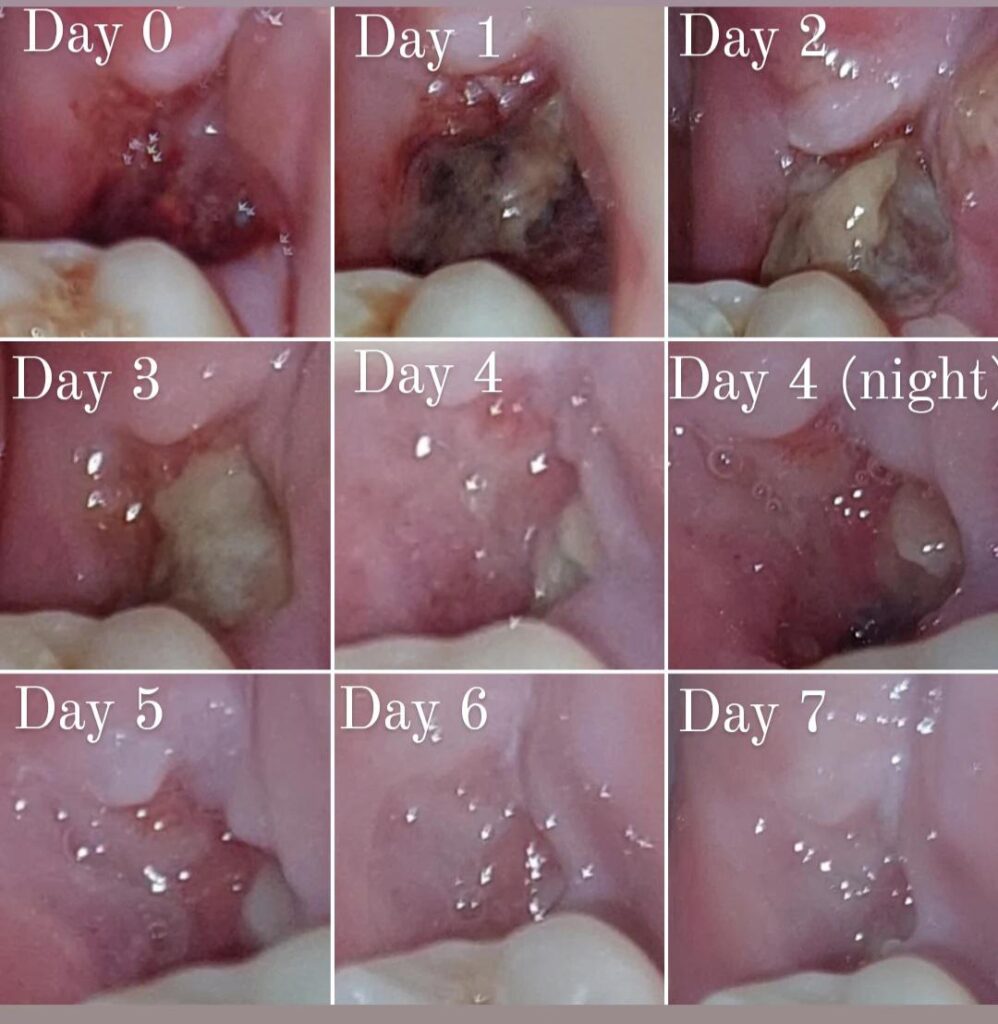
Before we cover what to expect, it is worth noting that how you care for your mouth after tooth extraction in these early hours sets the tone for your entire recovery. When your dentist removes a tooth, they leave behind an open socket in your jawbone. Your body immediately works to fill that socket with a blood clot, which acts as a natural bandage and a scaffold for new tissue and bone to grow.
During the first 24 to 72 hours, you can expect:
- Mild to moderate bleeding or oozing from the socket
- Swelling and bruising around the jaw, cheek, or even beneath the eye
- Tenderness and soreness at the extraction site
- Difficulty opening your mouth fully (known as trismus)
- A slightly elevated temperature though a high fever is not normal
These are all expected parts of the healing process. Most people find that symptoms peak around day two or three and then gradually improve. Understanding this timeline helps you know what is normal and when something may require a call to your dentist.
10 Essential Tips to Care for Your Mouth After Tooth Extraction
Part of knowing how to care for your mouth after tooth extraction is following a clear, structured plan. Here are ten tips that cover every stage of recovery.
Tip 1: Control Bleeding Immediately with Gauze
The first step to care for your mouth after tooth extraction is controlling bleeding immediately. Your dentist will place a sterile gauze pad over the extraction site before you leave. Bite down firmly on it for at least 30 to 45 minutes without peeking. This sustained pressure is what allows the blood clot to form properly.
If bleeding continues after the first gauze, replace it with a fresh piece and bite down again. A helpful trick recommended by many dentists is to use a damp tea bag instead of gauze, the tannic acid in black tea helps constrict blood vessels and encourages clotting.
Avoid spitting, talking excessively, or checking the socket. Any of these actions disrupts the clot before it has had time to set.
Tip 2: Protect the Blood Clot at All Costs
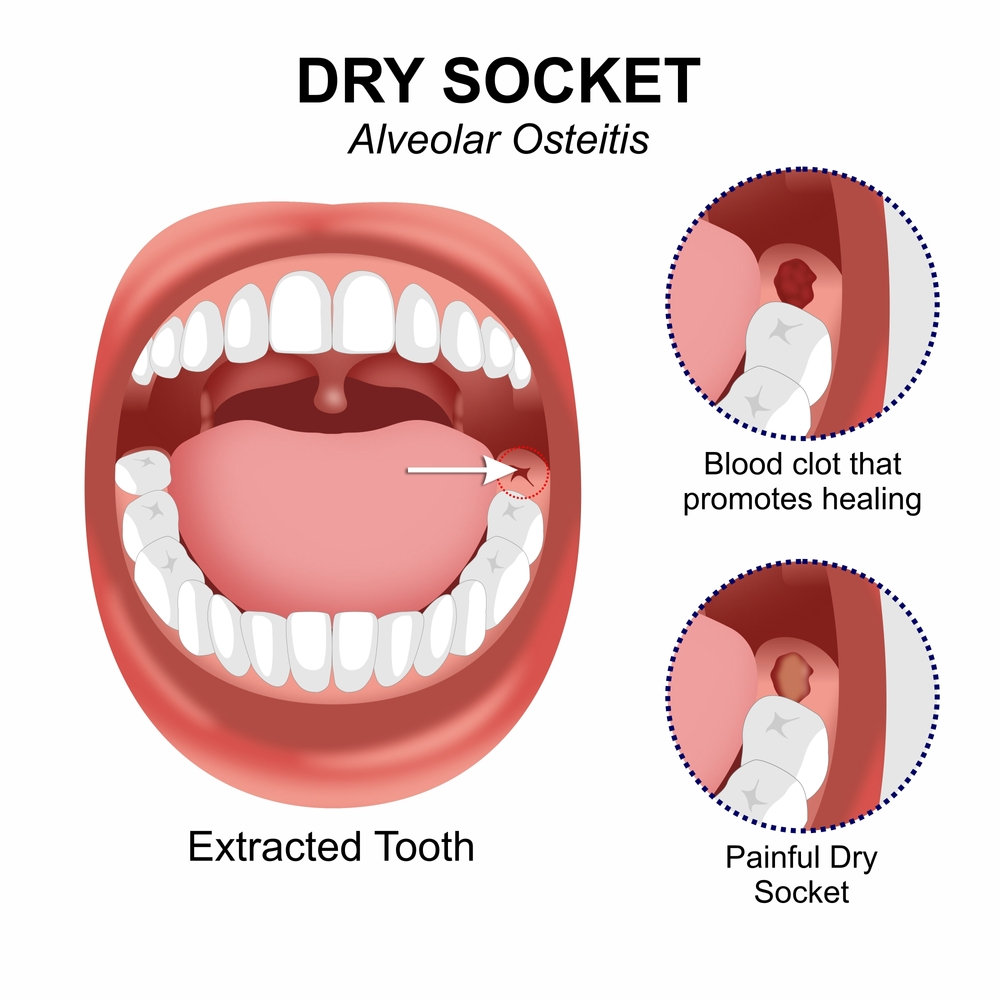
The blood clot is the foundation of your entire healing process. Losing it leads to a condition called dry socket (alveolar osteitis), which is one of the most common and painful complications after tooth removal.
To protect the clot and properly care for your mouth after tooth extraction, strictly avoid the following for at least 72 hours:
- Using a straw, the suction force is enough to pull out the clot
- Smoking or vaping, nicotine restricts blood flow and dramatically increases dry socket risk
- Vigorous rinsing or spitting
- Poking the socket with your tongue, finger, or any object
- Drinking alcohol, which thins the blood and delays clotting
These restrictions may feel inconvenient, but they are non-negotiable for a safe recovery.
Tip 3: Apply Ice to Manage Swelling
Applying ice is one of the most immediate ways to care for your mouth after tooth extraction. Swelling is the body’s natural inflammatory response to the trauma of extraction. While you cannot eliminate it entirely, you can control it effectively with an ice pack applied to the outside of your cheek.
Follow the 20-on, 20-off rule: apply an ice pack wrapped in a cloth for 20 minutes, then remove it for 20 minutes. Repeat this cycle throughout the first 24 hours. After 48 hours, ice becomes less effective for swelling at that point, switching to a warm compress can help relax the jaw muscles and ease discomfort.
Never apply ice directly to the skin, as this can cause ice burn.
Tip 4: Take Pain Relief Medication as Directed
Managing pain effectively is a key part of how to care for your mouth after tooth extraction. Your dentist may prescribe a pain reliever or recommend an over-the-counter option. Ibuprofen (such as Advil or Nurofen) is often the preferred choice because it is both a painkiller and an anti-inflammatory.
Take medication before the anaesthetic wears off rather than waiting until the pain becomes severe, it is much easier to stay ahead of pain than to play catch-up. If prescription medication was provided, follow the dosage instructions exactly and complete the full course.
Note: Aspirin should generally be avoided after extraction as it is a blood thinner and may prolong bleeding. Always confirm with your dentist or pharmacist before taking any medication.
Tip 5: Start Gentle Salt Water Rinses After 24 Hours
One of the simplest and most effective ways to care for your mouth after tooth extraction is rinsing with warm salt water. However, timing matters, do not rinse during the first 24 hours, as this can dislodge the forming clot.
Starting from day two, rinse gently with a salt water solution after every meal and before bed. To make it, dissolve half a teaspoon of table salt in a glass of warm (not hot) water. Let the solution swirl gently in your mouth and allow it to fall out, do not spit forcefully.
Salt water helps by:
- Flushing food debris from around the socket
- Reducing bacteria levels in the mouth
- Creating an alkaline environment that promotes tissue healing
- Reducing inflammation in the surrounding gum tissue
Continuing this routine is one of the easiest habits to care for your mouth after tooth extraction long-term.
Tip 6: Eat the Right Foods to Support Healing
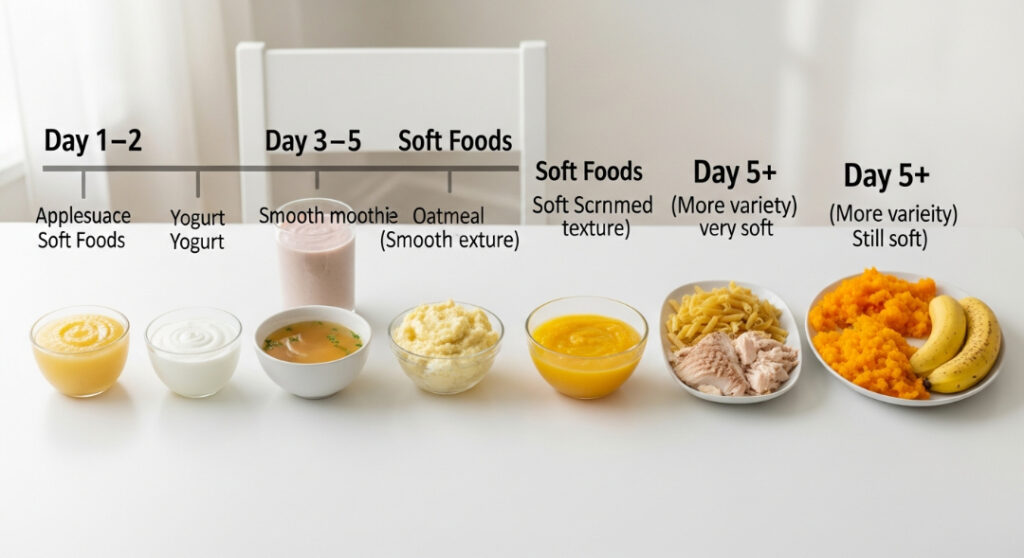
Diet is one of the most overlooked aspects of how to care for your mouth after tooth extraction, yet it directly impacts how quickly the socket heals. Hard, crunchy, or chewy foods can irritate the wound, dislodge the clot, or introduce bacteria into the socket.
Best foods to eat after tooth extraction:
- Yogurt, cottage cheese, and soft puddings
- Mashed potatoes, soft-cooked rice, and scrambled eggs
- Warm (not hot) soups and broths
- Smoothies and protein shakes, consume with a spoon, not a straw
- Bananas, avocados, and soft-cooked vegetables
- Oatmeal and soft-cooked pasta
Foods to avoid:
- Crunchy foods like chips, crackers, nuts, and popcorn, small pieces can lodge in the socket
- Hard foods like raw carrots or crusty bread that require forceful biting
- Spicy foods that can irritate healing tissue
- Very hot food and drinks that increase blood flow and bleeding
- Alcohol and carbonated drinks
Chew on the opposite side of the extraction for at least a week. As symptoms improve, you can gradually reintroduce firmer foods usually after seven to ten days.
Tip 7: Keep Your Mouth Clean Without Disturbing the Socket
Good oral hygiene remains essential after an extraction, bacteria-laden plaque does not take a day off just because you have had a procedure. The key is balancing cleanliness with gentleness.
Here is how to properly care for your mouth after tooth extraction when it comes to hygiene:
- Brush your teeth the evening of the procedure, but avoid brushing directly over the extraction site.
- Use a soft-bristled toothbrush and apply only light pressure near the affected area.
- Continue flossing all other teeth as normal, skipping the teeth immediately adjacent to the socket for the first week.
- Avoid alcohol-based mouthwashes, which can irritate the wound and delay healing. Use your salt water rinse instead.
- After the first week, you can begin gently cleaning around the socket, your dentist will guide you on when this is safe.
Keeping your mouth clean is one of the most consistent daily habits to care for your mouth after tooth extraction and prevent infection from taking hold.
Tip 8: Rest and Limit Physical Activity
Resting properly is a critical but underrated way to care for your mouth after tooth extraction. Your body heals fastest when it is at rest. Physical exertion increases blood pressure and heart rate, which can cause the extraction site to bleed more and slow clot formation. This is why dentists universally advise taking it easy for at least 24 to 48 hours after the procedure.
Practical rest tips:
- Take the day of the extraction off work or school if possible
- Sleep with your head slightly elevated using an extra pillow, this reduces swelling by preventing blood from pooling in your face
- Avoid bending over or lifting heavy objects, which can increase blood pressure at the wound site
- Skip the gym, sports, or any vigorous exercise for at least two full days ideally three to five if significant swelling occurred
- Avoid long periods of talking, as excessive jaw movement can irritate the socket
Most people can return to light desk work or study within one to two days, but listen to your body and ease back into activity gradually.

Tip 9: Watch for Warning Signs of Complications
Knowing warning signs is a vital part of how you care for your mouth after tooth extraction, catching problems early prevents minor issues from becoming serious ones. While mild discomfort and swelling are normal, certain symptoms are red flags that require immediate dental attention.
Contact your dentist right away if you experience any of the following:
- Bleeding that soaks through gauze and does not stop after two hours of firm pressure
- Severe, throbbing pain that begins two to four days after extraction: a hallmark of dry socket
- Fever above 101°F (38.3°C), which may indicate infection
- Swelling that worsens rather than improves after the third day
- Pus, discharge, or an unpleasant taste coming from the socket
- Numbness, tingling, or loss of sensation in the lip, tongue, or chin that persists beyond the anesthesia window
- Visible bone in the socket where no tissue has formed
Catching these signs early can prevent a minor complication from becoming a serious problem. When in doubt, call your dentist, that is exactly what they are there for.
Tip 10: Plan for Long-Term Recovery and Tooth Replacement
The final and often overlooked part of how to care for your mouth after tooth extraction is planning for what comes next. While gum tissue typically heals within three to four weeks, complete bone regeneration in the socket takes three to six months.
Long-term steps to protect your oral health:
- Attend all follow-up appointments so your dentist can monitor healing and remove any stitches if placed
- Discuss tooth replacement options early leaving a gap in your smile causes neighbouring teeth to drift, changes your bite, and can accelerate bone loss in the jaw
- Consider dental implants for the most natural-feeling and longest-lasting replacement option
- Dental bridges and partial dentures are also viable alternatives depending on your situation and budget
- If you smoke, use the recovery period as motivation to quit, tobacco use is one of the biggest saboteurs of oral healing and long-term dental health
- Maintain a full oral hygiene routine: brush twice daily, floss daily, and visit your dentist every six months for check-ups and professional cleaning
When you care for your mouth after tooth extraction with long-term intention, the goal becomes not just recovery, but coming out the other side with a healthier, stronger mouth than before.
How Long Does Recovery Take After Tooth Extraction?
How long it takes to fully care for your mouth after tooth extraction and see complete healing depends on several factors. Recovery timelines vary depending on the complexity of the extraction, your age, overall health, and how well you care for your mouth after tooth extraction. Here is a general guide:
- 24–48 hours: Bleeding stops, swelling peaks, rest is critical
- Days 3–5: Swelling and pain begin to subside, soft diet continues
- Week 1–2: Gum tissue starts to close over the socket, sutures dissolve (if placed)
- Weeks 3–4: Gum tissue fully covers the socket, most discomfort has resolved
- 3–6 months: Bone fully fills in the socket, invisible from the outside but important for implant planning
Wisdom tooth extractions especially impacted ones often take longer to heal than routine extractions due to the size of the socket and the complexity of the procedure. Your dentist will advise you on what timeline to expect for your specific case. Following the right steps to care for your mouth after tooth extraction at each stage of this timeline is what keeps you on track.
Understanding Dry Socket: The Most Common Complication
No guide on how to care for your mouth after tooth extraction would be complete without a thorough look at dry socket. Clinically known as alveolar osteitis, dry socket affects an estimated 2 to 5 percent of all tooth extractions and up to 38 percent of wisdom tooth removals.
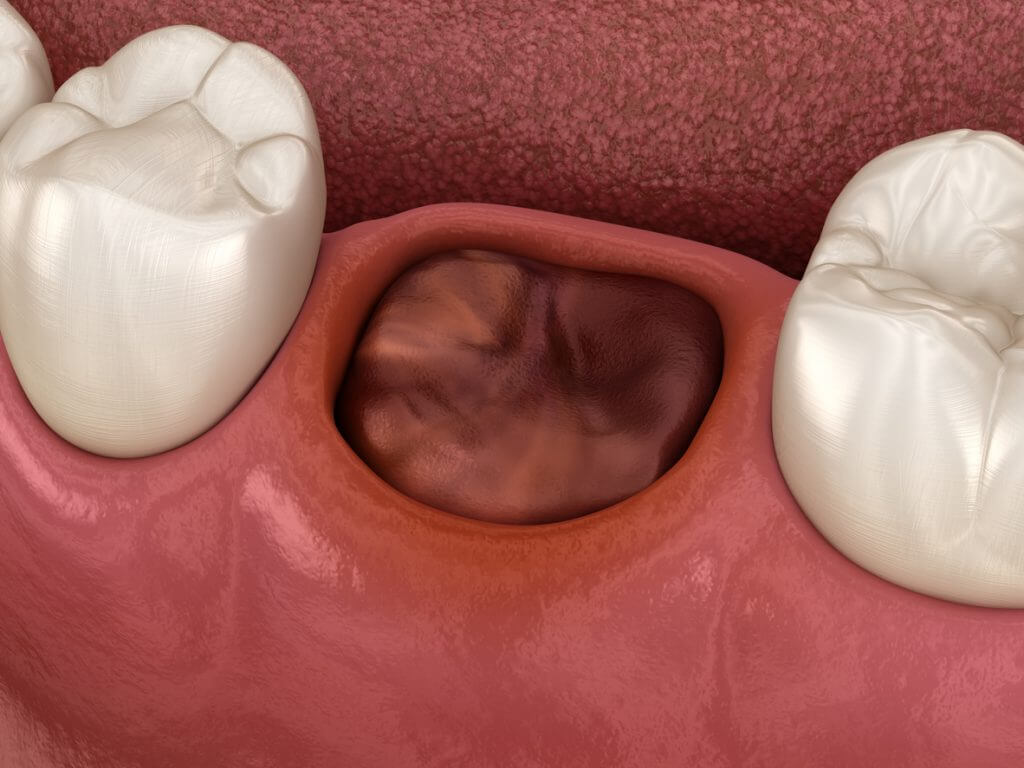
It occurs when the blood clot either never fully forms or is dislodged before the socket has healed, leaving raw bone and nerve endings exposed to air, food, and bacteria.
Symptoms of Dry Socket
- Intense, throbbing pain that typically starts 2 to 4 days after extraction
- Pain that radiates to the ear, eye, temple, or neck on the same side
- An empty-looking socket where you can see bone rather than a dark clot
- A foul smell or taste in the mouth
- Pain that is not relieved by standard over-the-counter painkillers
Who Is at Higher Risk?
- Smokers and tobacco users
- People taking oral contraceptives (oestrogen can interfere with clotting)
- Those with a history of dry socket after previous extractions
- Patients with poor oral hygiene or existing gum disease
- Anyone who did not follow post-extraction care instructions
Treatment for Dry Socket
Preventing dry socket is the single most important reason to carefully care for your mouth after tooth extraction. Dry socket does not resolve on its own quickly. If you suspect you have it, visit your dentist as soon as possible. Treatment typically involves:
- Flushing the socket to remove debris
- Packing the socket with a medicated dressing that contains clove oil (eugenol), which numbs the nerves and promotes healing
- Changing the dressing every 24 to 48 hours until the socket begins to heal
- Prescribing stronger pain relief if needed
Most cases of dry socket resolve within 7 to 10 days with proper treatment. This is why learning how to care for your mouth after tooth extraction correctly from day one is far better than treating complications later.
Special Considerations: Children, Older Adults, and Medical Conditions
While the fundamentals of how to care for your mouth after tooth extraction are universal, certain groups need extra attention.
Children
The guidelines for how to care for your mouth after tooth extraction apply equally to children, with a few extra considerations. However, they may struggle to follow instructions like avoiding straws or not touching the socket. Parents should:
- Supervise eating and drinking for the first 48 hours
- Use child-friendly pain relief as directed by the dentist or paediatrician
- Offer cold, soft treats like yogurt or ice cream to soothe the area
- Distract them from touching the socket with gentle reminders and activities
Older Adults
Older patients must care for their mouth after tooth extraction with extra caution due to slower healing. Healing generally slows with age, and older patients are more likely to be on medications such as blood thinners or bisphosphonates, that can affect healing. Always inform your dentist of all medications before any extraction so they can tailor your aftercare advice appropriately.
Patients with Medical Conditions
For patients with underlying health conditions, knowing how to care for your mouth after tooth extraction requires an even more personalised approach. If you have any underlying medical conditions, discuss a personalised aftercare plan with both your dentist and your GP or specialist before your extraction.
Conclusion
The most important thing you can do is approach your recovery with intention. The ten tips in this guide give you a complete roadmap to care for your mouth after tooth extraction from the moment you leave the dental chair to the weeks that follow.
Healing after an extraction is not complicated, but it does require consistency and a little patience. Protect the clot, eat the right foods, keep the area clean, rest properly, and stay alert to warning signs. Do those five things well, and the odds of a fast, complication-free recovery are strongly in your favour.
And remember, your dental team is always your best resource. Do not hesitate to pick up the phone if something does not feel right. A quick call could save you days of unnecessary discomfort. The right way to care for your mouth after tooth extraction is simple, follow the steps, stay consistent, and trust your dental team
Ready to book a follow-up appointment or have questions about your recovery? Contact our dental team today, we are here to help every step of the way.